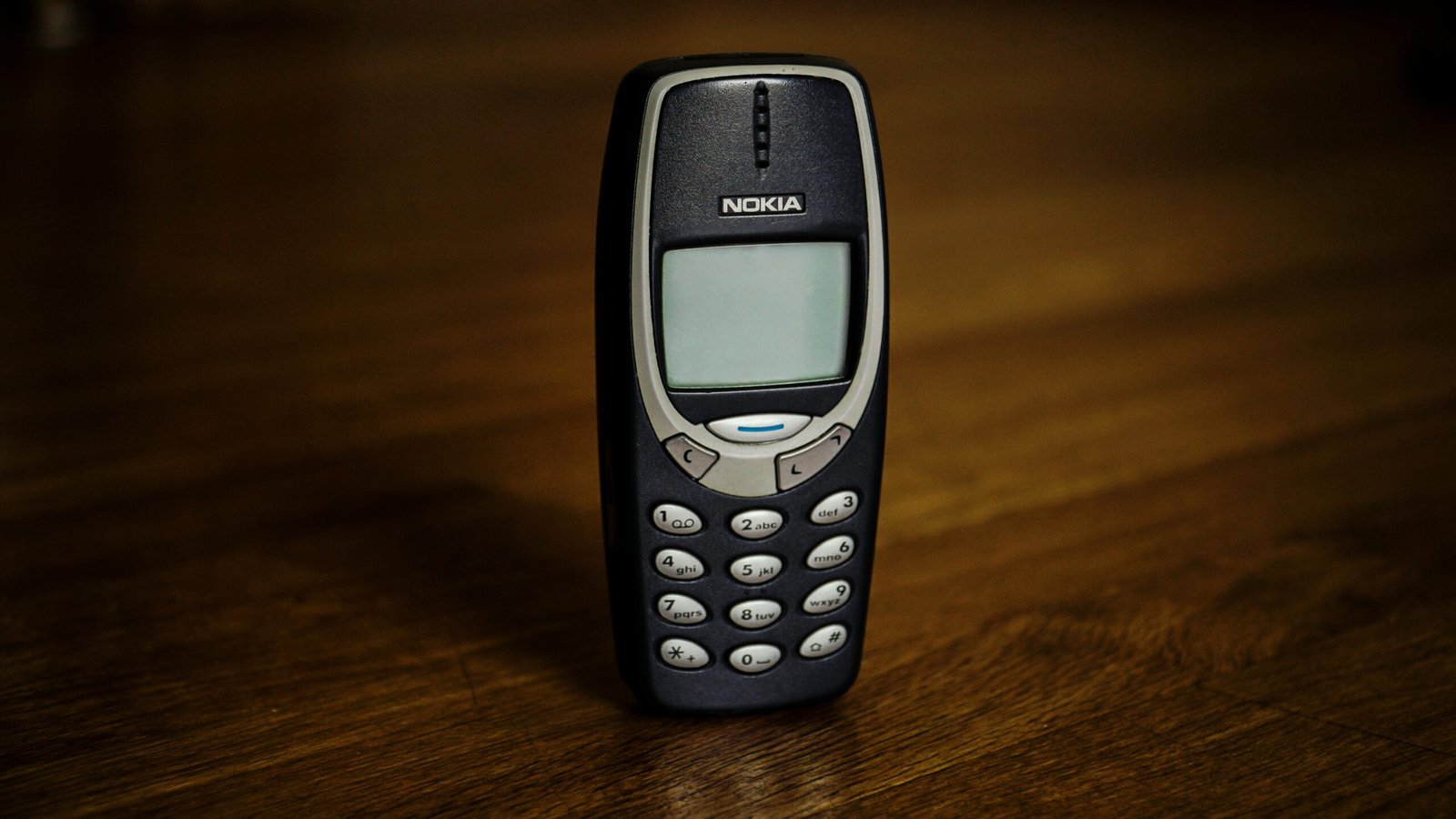
For a generation that grew up playing Snake on indestructible handsets, the name Nokia evokes both nostalgia and caution — a titan that once ruled the mobile world, then faltered spectacularly in the age of touchscreens. Yet in 2026, the Finnish company is staging something far subtler than a comeback. It is not trying to be cool again. It is trying to be essential.
And in a world rebuilding its digital backbone, that may matter more.
Unlike its headline-grabbing rivals — Apple and Samsung — Nokia’s renaissance is not defined by glossy product launches or viral keynote moments. It is unfolding in server rooms, data centers and at the quiet edges of cities where 5G and early 6G infrastructure are being laid down. After years of restructuring, divestments and refocusing, Nokia has become less a phone company and more a nervous system company.
The pivot began years ago, when Nokia ceded the smartphone wars and sold its handset division to Microsoft in 2014. Many assumed the brand would fade into footnotes of business-school case studies. Instead, Nokia leaned into what it had always done well: networks. It doubled down on telecommunications infrastructure, enterprise connectivity and cloud-native network software — areas less visible to consumers but indispensable to governments and corporations racing toward digitization.
By 2026, that bet is bearing fruit.
As geopolitical tensions reshaped supply chains and governments reconsidered foreign telecom dependencies, Nokia found itself uniquely positioned. European and North American policymakers, wary of overreliance on Chinese vendors, have increasingly turned to trusted alternatives. Alongside Sweden’s Ericsson, Nokia has emerged as a preferred supplier for 5G rollouts and private enterprise networks.
But this is not merely a geopolitical story. It is also a technological one.
The proliferation of AI-driven services — autonomous logistics, smart manufacturing, edge computing — has created demand for ultra-reliable, low-latency connectivity. Nokia’s investments in private 5G networks for factories, ports and campuses have quietly positioned it at the center of the so-called Fourth Industrial Revolution. In 2026, the company reports growing contracts with industrial firms that no longer see connectivity as an expense but as core infrastructure.
Even its consumer presence, once a symbol of decline, has found a second life. While Nokia-branded smartphones, produced under licensing agreements, occupy a modest slice of the global market, they have carved out a niche among consumers seeking durability, repairability and clean Android experiences. In an era increasingly critical of disposable electronics, that ethos resonates.
The shift in corporate culture has been just as significant as the shift in strategy. Nokia’s leadership has emphasized disciplined execution over bravado, shedding peripheral ventures and investing in research and development, particularly in early 6G experimentation. In research labs across Finland and beyond, engineers are already modeling the next generation of connectivity — one that promises not just faster speeds but smarter, more energy-efficient networks.
For investors, the narrative is compelling precisely because it is unglamorous. Nokia is no longer chasing trends; it is underwriting them. As cloud providers expand, as governments digitize public services, as companies automate operations, they all require resilient networks. Nokia has made itself part of that invisible architecture.
Still, challenges loom. Competition remains fierce. Profit margins in network equipment can be thin, and technological leadership is never permanent. The company must navigate fluctuating semiconductor supplies, evolving regulatory landscapes and the relentless pace of innovation.
Yet there is something poetic about Nokia’s resurgence. In the early 2000s, it connected billions through pocket-sized devices. In 2026, it connects industries, cities and machines — less visible, perhaps, but arguably more foundational.
The ringtone may no longer echo from every street corner. But the signal, stronger and steadier, is back.